
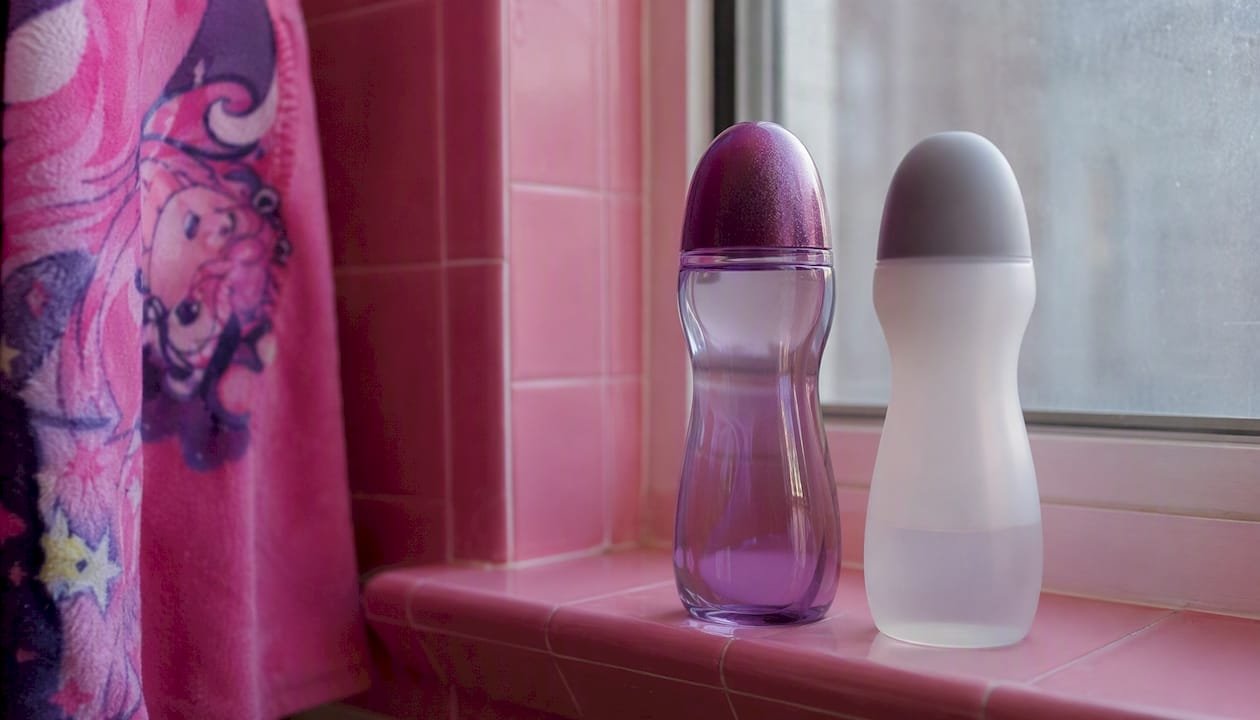
Water-based lube is the safer default for most people, most of the time, mainly because it works with every toy material and every condom on the market. Silicone lube wins when you need staying power: shower sex, long sessions, or anal play, where reapplying every few minutes kills the mood. The two caveats that decide it for you: silicone lube degrades silicone toys, and some water-based formulas carry a hidden irritation risk through their osmolality.
- Silicone toy in play? Reach for water-based.
- In the shower, bath, or going long? Silicone.
- Sensitive skin or recurrent irritation? Check pH and ingredients before either.
Key Takeaways
Water-based lube is the safer all-purpose choice because it works with every toy and condom, while silicone lube earns its place through waterproof longevity that water-based formulas can’t match.
| Point | Details |
|---|---|
| Default to water-based | It’s compatible with every toy material and every condom type on the market. |
| Silicone wins on longevity | Choose it for showers, baths, and long sessions where reapplying breaks the mood. |
| Never mix silicone with silicone toys | Silicone lube degrades silicone toy surfaces over repeated use. |
| Check pH and osmolality | Low or iso-osmolar, pH 3.8 to 4.5 water-based formulas carry the lowest irritation risk. |
| Wicked Pixie Club vets both categories | Every listed lubricant is checked for ingredient simplicity, disclosed pH and osmolality, and toy/condom compatibility. |
Table of Contents
- What is silicone-based lube?
- What is water-based lube?
- Silicone vs water-based lube: how do they compare?
- Is silicone or water-based lube safer for sensitive skin?
- Which lube should you use for toys, condoms, and specific activities?
- How do you clean up silicone and water-based lube?
- Should you try a hybrid or oil-based lube instead?
- How does Wickedpixieclub choose which lubricants to recommend?
- What actually matters when you’re standing in front of two bottles
- Where can you find toy-safe, sensitive-skin lubricants?
- Frequently asked questions
- Sources
What is silicone-based lube?
Silicone lubricant is built from silicone polymers, usually dimethicone or cyclomethicone, rather than water. That single difference explains almost everything about how it behaves: it doesn’t absorb into skin, doesn’t evaporate, and doesn’t wash away in water. A thin layer keeps working long after a water-based equivalent has dried out.
- Lasts significantly longer per application, so there’s less stopping to reapply.
- Stays slick underwater, making it the natural choice for showers, baths, or hot tubs.
- Leaves a light residue that some people love for its silky feel and others find harder to wash off.
Because silicone contains no water, it also needs fewer preservatives, which is a big part of why sensitive-skin recommendations lean this way.
Pro Tip: If you’re using silicone lube in the shower, keep a bath mat down. It makes tiled floors dangerously slick, and that’s a more common injury than most people expect.
What is water-based lube?
Water-based lube uses water as its main ingredient, thickened with agents such as cellulose or carrageenan and preserved with additives that vary a lot by brand. Some formulas add glycerin or aloe for a smoother glide; others keep the ingredient list deliberately short.
- Feels closest to natural arousal fluid, which is why it’s often the first lube people try.
- Washes off easily with water alone, no special cleanser needed.
- Safe with every toy material and every condom type, including latex and polyurethane.
- Tends to dry out mid-session and needs reapplying, sometimes more than once.
Formulation quality varies enormously within this category. Some water-based gels are engineered to last far longer than the average, using ingredients like hyaluronic acid or carrageenan to hold moisture, so don’t assume every water-based bottle behaves the same way.
Silicone vs water-based lube: how do they compare?

| Factor | Silicone-based | Water-based |
|---|---|---|
| Best for | Shower, bath, anal, long sessions | Toy play, oral, everyday use |
| Longevity | Very long, minimal reapplication | Shorter, often needs topping up |
| Toy compatibility | Unsafe with silicone toys | Safe with all toy materials |
| Condom compatibility | Safe with latex and polyurethane | Safe with latex and polyurethane |
| Washability | Water resistant, harder to rinse off | Rinses away with water |
| Sensitivity/irritation risk | Low, fewer preservatives needed | Varies, check pH and osmolality |
| Cleanup/residue | Slight residue, may need soap | Minimal, cleans up fast |
| Cost/amount needed | Small amount goes far | Often needs more, more often |
If you had to reduce this to one rule: default to water-based unless you specifically need waterproofing or extended slip, and switch to water-based the moment a silicone toy enters the picture.
A few edge cases don’t fit neatly into either column:
- Long-duration partnered play where reapplication is genuinely disruptive suits a hybrid formula.
- Anal play without toys often benefits from silicone’s longer-lasting nature.
- Massage-and-sex crossover sessions sometimes call for an oil-based option instead.
Is silicone or water-based lube safer for sensitive skin?
Skin and tissue reactions usually trace back to two measurable factors: osmolality and pH, not just “natural” versus “synthetic” branding. Hyperosmolar water-based lubricants can pull water out of vaginal cells, and that’s linked in laboratory research to epithelial damage and reduced protective Lactobacillus levels, which raises infection risk over time.
- Glycerin can feed yeast overgrowth in people prone to recurrent infections.
- Parabens are preservatives some people prefer to avoid due to irritation sensitivity.
- Propylene glycol can trigger contact irritation in a meaningful minority of users.
- Fragrances and warming/cooling agents are common triggers for allergic-type reactions.
Clinical guidance points to a pH range of roughly 3.8 to 4.5 for vaginal compatibility, alongside low or iso-osmolar formulation, as the benchmark for a genuinely low-risk water-based lubricant.
Some water-based products tested by researchers have shown osmolality levels far above the suggested upper limit of around 300, which is a strong argument for checking labels rather than assuming all water-based lubes are equally gentle. Silicone sidesteps the whole issue, since it contains no water to draw osmotic pressure at all, which is a core reason OB/GYNs and sex therapists often recommend it for reactive or sensitive skin.
Which lube should you use for toys, condoms, and specific activities?
Match the lube to the material in your hand before anything else. That single habit prevents most of the common mishaps people write in about.
- Silicone toys: water-based only. Silicone lube will degrade the toy’s surface over repeated use, per manufacturer and product warnings.
- Glass or metal toys: either works, since neither material reacts with silicone.
- Latex condoms: water-based or silicone, never oil-based, which breaks down latex.
- Shower or bath sex: silicone, because it won’t wash away.
- Oral sex: water-based, for taste and easy cleanup.
- Anal play: silicone for longer sessions, water-based if a silicone toy is involved.
- Solo play: whichever suits your preferred sensation and toy type.
How do you clean up silicone and water-based lube?
Water-based lube rinses off skin, fabric, and toys with plain water, no fuss. Silicone needs a bit more effort: warm water and mild soap on skin, and a proper toy cleanser or soap and water for silicone toys (never silicone lube on a silicone toy, cleaning included).
- Keep a towel down on shower or bath floors before using silicone lube.
- Avoid very hot water on silicone residue on fabric, since heat can set it further into the fibres.
- Wash sheets on a normal cycle with standard detergent; both types come out with routine laundering.
Pro Tip: If water-based lube starts feeling tacky mid-session, a few drops of water restores the glide instantly, no need to stop and reapply from the bottle.
Should you try a hybrid or oil-based lube instead?
Hybrid lubes blend a small amount of silicone into a mostly water-based formula, aiming for longer-lasting slip while staying compatible with most toys in many cases. It’s a reasonable middle ground if pure water-based dries out too fast for you, though check the label for silicone toy warnings regardless.
Oil-based lubricants (coconut oil, dedicated massage oils) last a long time and feel rich, but they break down latex condoms and can stain sheets more stubbornly than either main category.
- Want longevity without giving up most toy compatibility? Try a hybrid.
- Doing massage-into-sex play with no latex condoms involved? Oil-based can work.
- Anything condom-dependent? Stick to silicone or water-based.
How does Wickedpixieclub choose which lubricants to recommend?
Wickedpixieclub checks every lubricant against the same short list before it earns a place in the shop: ingredient simplicity, stated pH and osmolality where the brand discloses it, toy and condom compatibility, realistic longevity, residue level, and hygienic packaging (pump bottles reduce contamination risk compared with open-neck squeeze tubes).
- Ingredient list reviewed for glycerin, parabens, and propylene glycol.
- pH and osmolality checked against clinical benchmarks where stated.
- Toy and condom compatibility confirmed before listing.
- Packaging assessed for hygienic dispensing.
A short ingredient list and a stated pH range on the packaging are two of the fastest ways to judge whether a lubricant was formulated with sensitive tissue in mind.
Wicked Pixie Club’s contributor James draws on the brand’s nine years curating sexual wellness products, alongside the clinician-backed benchmarks referenced throughout this guide.
What actually matters when you’re standing in front of two bottles
Most guides frame this as a binary choice, silicone or water-based, when the more useful question is what you’re doing tonight and what’s already in the room. If there’s a silicone toy on the nightstand, the decision is already made for you: water-based, full stop, no negotiation. That single rule resolves more real-world confusion than any feature comparison.
The bigger blind spot is osmolality. Plenty of people assume “water-based” automatically means gentle, and that’s simply not guaranteed. A hyperosmolar formula can irritate tissue that a well-formulated silicone lube never would, which is precisely why clinicians increasingly recommend checking the label rather than trusting the category name. If you’ve had recurrent irritation and never queried your lube’s ingredient list, that’s worth revisiting with a GP or sexual health clinic before assuming it’s something else entirely.
Where can you find toy-safe, sensitive-skin lubricants?
Wicked Pixie Club exists because sorting genuinely low-irritation, toy-safe lubricants from the noise takes real label-reading, and most shoppers don’t have time for it every purchase. Every lubricant in the range is checked against the same criteria covered here: ingredient simplicity, stated pH and osmolality where disclosed, and confirmed toy and condom compatibility, so you’re not left guessing on a packed shelf.

If sensitivity is your main concern, start with the sexual health and wellness guide for a broader look at compatible products, or head straight to Wicked Pixie Club’s full range to compare toy-safe water-based options against long-lasting silicone formulas and pick the one that matches tonight’s plans.
Frequently asked questions
Is silicone or water-based lube better overall?
Neither wins outright. Water-based suits most everyday use and every toy material; silicone suits shower sex, anal play, and longer sessions where longevity matters more than universal compatibility.
Can I use silicone lube with a silicone vibrator?
No. Silicone lube degrades silicone toy surfaces over time, so switch to a water-based option whenever a silicone toy is involved.
Does water-based lube irritate sensitive skin?
It can, particularly hyperosmolar formulas with a high glycerin content. Checking for a stated pH near 3.8 to 4.5 and low osmolality reduces that risk considerably.
What’s the best lube for sex in the shower?
Silicone, because it’s water resistant and won’t wash away, though it makes wet tiles slippery, so keep a mat down.
Are hybrid lubes worth trying?
Yes, if pure water-based dries out too quickly for you but you still want broad toy compatibility. Check the label for any silicone toy warnings first.
This article is general information, not a substitute for advice from a qualified doctor. Consult a qualified healthcare professional about your own circumstances before acting on anything here.
Sources
- Evvy — Silicone vs water-based lube
- Prevention — Water vs. lube: which is better?
- Women’s Health — best lubes (testing and picks)
- LOLA — Silicone vs water-based lube

